
• 972-499-3593
    Eminent Spine
    • Timeline
    • The Sword of Eminent
    • Products
          • 3D Titanium Pedicle Screw System
          • Scoliosis Deformity
          • Cervical Implants
            • Cervical Stand-Alone
            • Cervical Plate
            • Cervical IBFD
          • SI Systems
            • Lateral SI
            • Posterior SI
          • Lumbar Systems
            • ALIF Stand-Alone (3D Titanium)
            • ALIF (PEEK)
            • Pedicle Screw
            • 3D PLIF & TLIF
            • PLIF
            • TLIF
            • LLIF
            • Buttress Plate
          • Prep Sets
            • SI Prep Sets
            • Cervical Stand-Alone Prep Sets
            • Cervical Plate Prep Sets
            • ALIF Prep Sets
            • PLIF/TLIF Prep Sets
            • Pedicle Screw Prep Sets (Open & MIS)
          • Kyphoplasty
          • Biologics
    • Resources
      • Surgical Technique Manuals
      • White Papers & Usage Reports
      • IFU’s
      • Blog
    • Case Studies
    • Contact
    • Menu Menu

    How to Choose a Spinal Implant: A Surgeon’s Guide

    Choosing the right spinal implant is one of the most consequential decisions a surgeon makes. From anatomy and pathology to fixation strategy and material performance, every variable influences surgical efficiency, fusion success, and long-term outcomes. With more implant options available than ever before, understanding how to select the right solution for each case has become an essential clinical skill.
    Why Spinal Implant Selection Matters

    Selecting the right spinal implant is a critical decision that directly influences surgical efficiency, fixation stability, fusion success, and long-term patient outcomes. With an expanding range of implant technologies, materials, and configurations available today, surgeons must balance clinical evidence, anatomical considerations, and procedural goals when choosing an implant system.

    This guide outlines the key factors surgeons consider during spinal implant selection, explores differences between cervical and lumbar implants, explains screw type options, and highlights how a comprehensive implant portfolio supports informed decision-making across diverse case types.

    Key Considerations in Modern Spinal Implant Selection

    Modern spinal implant selection requires balancing biomechanics, anatomy, and surgical objectives. Surgeons evaluate implant geometry, material properties, and fixation strategy to match the demands of each case. Factors such as load-bearing requirements, bone quality, and the need for alignment correction influence whether cervical, thoracic, or lumbar systems are most appropriate. Understanding how screw types, implant profiles, and surface technologies interact helps support consistent fixation, reliable fusion, and long-term clinical success.

    How Surgeons Choose the Right Spinal Implant

    Spinal implant selection is rarely a one-size-fits-all decision. Instead, surgeons evaluate a combination of patient-specific, procedural, and biomechanical factors to determine the most appropriate solution.

    Key Factors in Implant Selection

    • Patient anatomy and bone quality
    • Surgical approach and pathology
    • Fixation and fusion goals
    • Implant material and surface technology
    • Surgeon familiarity and system versatility

    Each of these elements contributes to achieving stable fixation while minimizing complications and optimizing fusion outcomes.

    Patient Anatomy and Bone Quality

    Patient anatomy plays a foundational role in implant selection. Variations in vertebral size, pedicle morphology, and bone density influence implant sizing, trajectory, and fixation strategy.

    In patients with osteoporotic or compromised bone, implants designed to improve bone purchase and load distribution become especially important. Advances such as porous titanium surfaces and optimized thread geometry help support fixation in challenging anatomies.

    Surgeons must also consider spinal alignment, deformity, and prior surgical history when selecting implants that will integrate effectively with existing anatomy.

    Cervical vs Lumbar Implants: Key Differences

    Understanding the differences between cervical and lumbar implants is essential for appropriate selection, as each region presents unique biomechanical demands.

    Cervical Spinal Implants

    Cervical implants are typically smaller and designed to accommodate lower load-bearing requirements while preserving mobility and alignment. Common characteristics include:

    • Lower profile designs
    • Smaller screw diameters
    • Emphasis on precision and anatomical fit

    Cervical procedures often prioritize neural decompression, alignment correction, and motion preservation or controlled fusion.

    Lumbar Spinal Implants

    Lumbar implants are engineered to withstand significantly higher mechanical loads. These systems typically feature:

    • Larger, stronger pedicle screws
    • Enhanced thread engagement
    • Robust rod and fixation constructs

    Lumbar cases frequently involve degenerative conditions, instability, or deformity correction, requiring implants capable of long-term load sharing and fusion support.

    Learn how 3D printed pedicle screw design improves strength, osseointegration, and precision.

    Learn More

    Pedicle Screw Selection: Polyaxial vs Monoaxial

    One of the most common implant decisions surgeons face is choosing between polyaxial and monoaxial pedicle screws. Each option offers distinct advantages depending on surgical goals and case complexity.

    Polyaxial Screws

    Polyaxial screws allow the screw head to pivot relative to the shaft, providing flexibility during rod placement. Benefits include:

    • Easier rod alignment
    • Reduced insertion stress
    • Improved efficiency in complex anatomies

    These screws are often preferred in multi-level constructs or cases where alignment variability is expected.

    Monoaxial Screws

    Monoaxial screws have a fixed head that does not move relative to the shaft. This rigidity provides:

    • Strong corrective forces
    • Greater control during deformity correction
    • Enhanced construct stiffness

    Surgeons often choose monoaxial screws in cases requiring precise alignment control or significant deformity correction.

    Case Type and Surgical Objectives

    Implant selection also depends heavily on the type of procedure being performed. Degenerative conditions, trauma, deformity, and revision surgery each demand different implant characteristics.

    Degenerative Cases

    Focus is placed on stability, fusion support, and minimizing soft tissue disruption. Implant systems that offer streamlined instrumentation and biological integration are often favored.

    Deformity and Complex Reconstruction

    These cases require implants capable of handling higher corrective forces, long constructs, and precise alignment control. Versatility within the implant system becomes especially valuable.

    Revision Surgery

    Revision cases benefit from implants designed for challenging anatomy, compromised bone, and previous hardware removal. Advanced surface technologies and fixation options can improve outcomes in these scenarios.

    Material and Surface Technology Considerations

    Material choice plays a significant role in both mechanical performance and biological response. Titanium remains the material of choice for many spinal implants due to its strength, corrosion resistance, and biocompatibility.

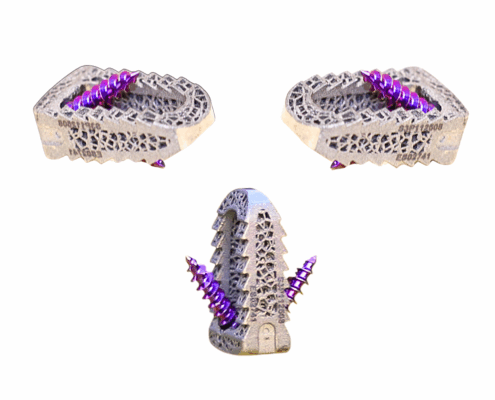
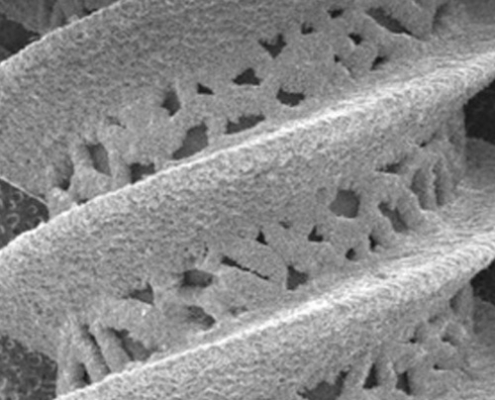
    Recent advances in 3D-printed titanium implants have further expanded design possibilities by enabling controlled porosity and bone-mimicking structures. These features support improved osseointegration and long-term fixation compared to solid, traditionally manufactured implants.

    The Role of Surgeon Experience and System Familiarity

    Surgeon experience with a particular implant system influences efficiency, confidence, and consistency. Familiar instrumentation, predictable workflows, and reliable implant performance help reduce operative time and variability.

    That said, access to a flexible system that supports multiple approaches and case types allows surgeons to adapt without compromising familiarity. Systems designed with surgeon input often provide intuitive instrumentation and modular implant options that support a wide range of procedures.

    How Eminent Spine Supports Informed Implant Selection

    Eminent Spine’s product portfolio is designed to support thoughtful, case-specific decision-making. By offering a comprehensive range of cervical, thoracic, lumbar, and sacroiliac solutions, Eminent Spine enables surgeons to select implants that align with both clinical goals and patient needs.

    Key Advantages of Eminent Spine’s Approach

    • Broad implant selection across spinal regions
    • Advanced titanium and 3D-printed technologies
    • Streamlined instrumentation for surgical efficiency
    • FDA-cleared systems backed by rigorous testing

    This breadth allows surgeons and procurement teams to standardize with a trusted partner while retaining flexibility across case types.

    Supporting Procurement and Hospital Decision-Making

    From a procurement perspective, implant selection involves more than clinical performance alone. Hospitals evaluate consistency, regulatory confidence, supply reliability, and long-term value.

    Eminent Spine’s focus on innovation, quality manufacturing, and clinical collaboration helps healthcare systems align implant choices with both patient outcomes and operational goals.

    Answering Common Questions

    How do surgeons choose the right spinal implant?

    Surgeons consider patient anatomy, bone quality, procedure type, fixation goals, implant material, and system familiarity when making implant decisions.

    What’s the difference between cervical and lumbar implants?

    Cervical implants are smaller and designed for lower load demands, while lumbar implants are built for higher mechanical loads and long-term stability.

    How do you choose between pedicle screw types?

    Polyaxial screws offer flexibility during rod placement, while monoaxial screws provide rigidity and alignment control for deformity correction.

    Precision Through Informed Selection

    Eminent Spine offers a comprehensive portfolio of spinal implant systems designed to support a wide range of clinical scenarios, from cervical and lumbar fixation to advanced 3D-printed solutions. Each system is engineered with precision, leveraging titanium materials, surgeon-informed design, and FDA-cleared technology to promote stability, fusion, and procedural efficiency. This breadth allows surgeons and procurement teams to standardize with confidence while maintaining flexibility across case types and patient anatomies.

    Share This Post

    • Share on Facebook
    • Share on X
    • Share on WhatsApp
    • Share on Pinterest
    • Share on LinkedIn
    • Share on Tumblr
    • Share on Vk
    • Share on Reddit
    • Share by Mail

    More Like This

    Revised Screw Posterior Image

    The End of One-Size-Fits-All: How Precision Spine Care Is Reshaping Surgical Outcomes

    https://www.eminentspine.com/wp-content/uploads/2025/11/revised-screw-posterior-image.png 799 1545 Abstrakt Marketing /wp-content/uploads/2025/08/ES-Logo-Edit-2.png Abstrakt Marketing2026-04-07 16:56:302026-05-18 17:19:11The End of One-Size-Fits-All: How Precision Spine Care Is Reshaping Surgical Outcomes
    3d Printed Titanium Image

    Comparing 3D Printed Spinal Implants vs Traditional

    https://www.eminentspine.com/wp-content/uploads/2025/08/3D-Printed-Titanium-Image.jpg 500 500 Abstrakt Marketing /wp-content/uploads/2025/08/ES-Logo-Edit-2.png Abstrakt Marketing2026-01-30 03:36:592026-05-18 17:19:11Comparing 3D Printed Spinal Implants vs Traditional

    Categories

    • 3d Pedicle Screw Education & Persuasion
    • Miscellaneous
    • SI Joint Solutions
    • Spinal Implant Education
    • Spinal Implant Innovation
    Es Logo Edit

    Products

    3D Titanium Pedicle Screw System

    SI

    Scoliosis Deformity

    Cervical Implants

    Lumbar Systems

    Prep Sets

    Biologics

    Resources

    Surgical Technique Manuals

    Case Studies

    White Papers & Usage Reports

    IFU’s

    1-2 Page Product Information

    Contact

    2004 Ventura Dr. Ste 250
    Plano TX 75093

    972.499.3593

    [email protected]

    Website by Abstrakt Marketing Group ©
      • Sitemap
      • Privacy Policy
      Link to: Comparing 3D Printed Spinal Implants vs Traditional Link to: Comparing 3D Printed Spinal Implants vs Traditional Comparing 3D Printed Spinal Implants vs Traditional3d Printed Titanium Image Link to: Titanium vs PEEK in Spinal Implants: Which Is Best for Fusion? Link to: Titanium vs PEEK in Spinal Implants: Which Is Best for Fusion? Alif Stand Alone 3d Titanium Heading ImageTitanium vs PEEK in Spinal Implants: Which Is Best for Fusion?
      Scroll to top Scroll to top Scroll to top

      This site uses cookies. By continuing to browse the site, you are agreeing to our use of cookies.

      AcceptLearn more

      Cookie and Privacy Settings


      How we use cookies

      We may request cookies to be set on your device. We use cookies to let us know when you visit our websites, how you interact with us, to enrich your user experience, and to customize your relationship with our website.

      Click on the different category headings to find out more. You can also change some of your preferences. Note that blocking some types of cookies may impact your experience on our websites and the services we are able to offer.

      Essential Website Cookies

      These cookies are strictly necessary to provide you with services available through our website and to use some of its features.

      Because these cookies are strictly necessary to deliver the website, refusing them will have impact how our site functions. You always can block or delete cookies by changing your browser settings and force blocking all cookies on this website. But this will always prompt you to accept/refuse cookies when revisiting our site.

      We fully respect if you want to refuse cookies but to avoid asking you again and again kindly allow us to store a cookie for that. You are free to opt out any time or opt in for other cookies to get a better experience. If you refuse cookies we will remove all set cookies in our domain.

      We provide you with a list of stored cookies on your computer in our domain so you can check what we stored. Due to security reasons we are not able to show or modify cookies from other domains. You can check these in your browser security settings.

      Other external services

      We also use different external services like Google Webfonts, Google Maps, and external Video providers. Since these providers may collect personal data like your IP address we allow you to block them here. Please be aware that this might heavily reduce the functionality and appearance of our site. Changes will take effect once you reload the page.

      Google Webfont Settings:

      Google Map Settings:

      Google reCaptcha Settings:

      Vimeo and Youtube video embeds:

      Accept settingsHide notification only